Technology & Innovation1 min read
From Breadboard to PCB: How an Electronic Product Takes Shape
Every electronic product starts as an idea and a rough circuit. A step-by-step look at how it becomes a reliable, documented design.
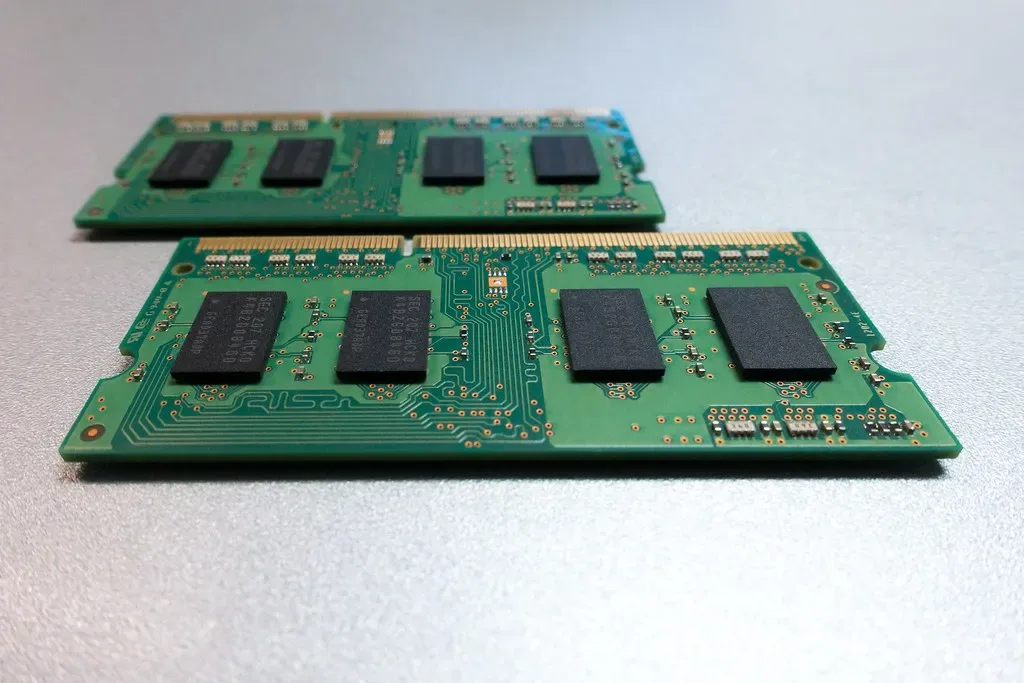
The phone in your pocket, the controller in a factory panel and the sensor on a farm all began the same way: as an idea, a rough circuit and a lot of testing. The path from that first circuit to a finished board follows a set of stages that engineers repeat on almost every project.
1. Define the problem
Good projects start with a clear requirement: what must the circuit sense, decide or drive, and under what conditions? A short checklist of inputs, outputs, power and size keeps the later stages honest.
2. Prototype on a breadboard
A breadboard lets you connect components without soldering, so ideas can be tried and changed in minutes. A digital multimeter confirms that voltages and currents are what the design expects.
3. Draw the schematic and list the parts
Once the prototype works, the circuit is captured as a schematic — the formal drawing of every connection — and a bill of materials lists each component, its value and where to buy it.
4. Lay out the PCB
A printed circuit board replaces loose wires with copper tracks. Layout is a balance of size, heat, signal quality and how easily the board can be assembled and repaired.
5. Build, solder and debug
The first boards are assembled and powered up carefully. Few designs work perfectly first time, so debugging — measuring, comparing against the schematic and fixing faults — is a normal, expected step.
6. Interface and integrate
The board is connected to the outside world: power supplies, sensors, motors and other systems. This is where a circuit becomes part of a working product.
7. Document it
Clear documentation — schematics, the parts list, test results and installation notes — lets someone else build, use and maintain the design.
These stages map closely to the select, plan, design, build, interface, debug and document process taught in the Industrial Electronics Design & Development programme.