Technology & Innovation1 min read
Vertical Farming and Hydroponics, Explained
Growing food without soil, stacked indoors under controlled light. How vertical farms and hydroponic systems work.
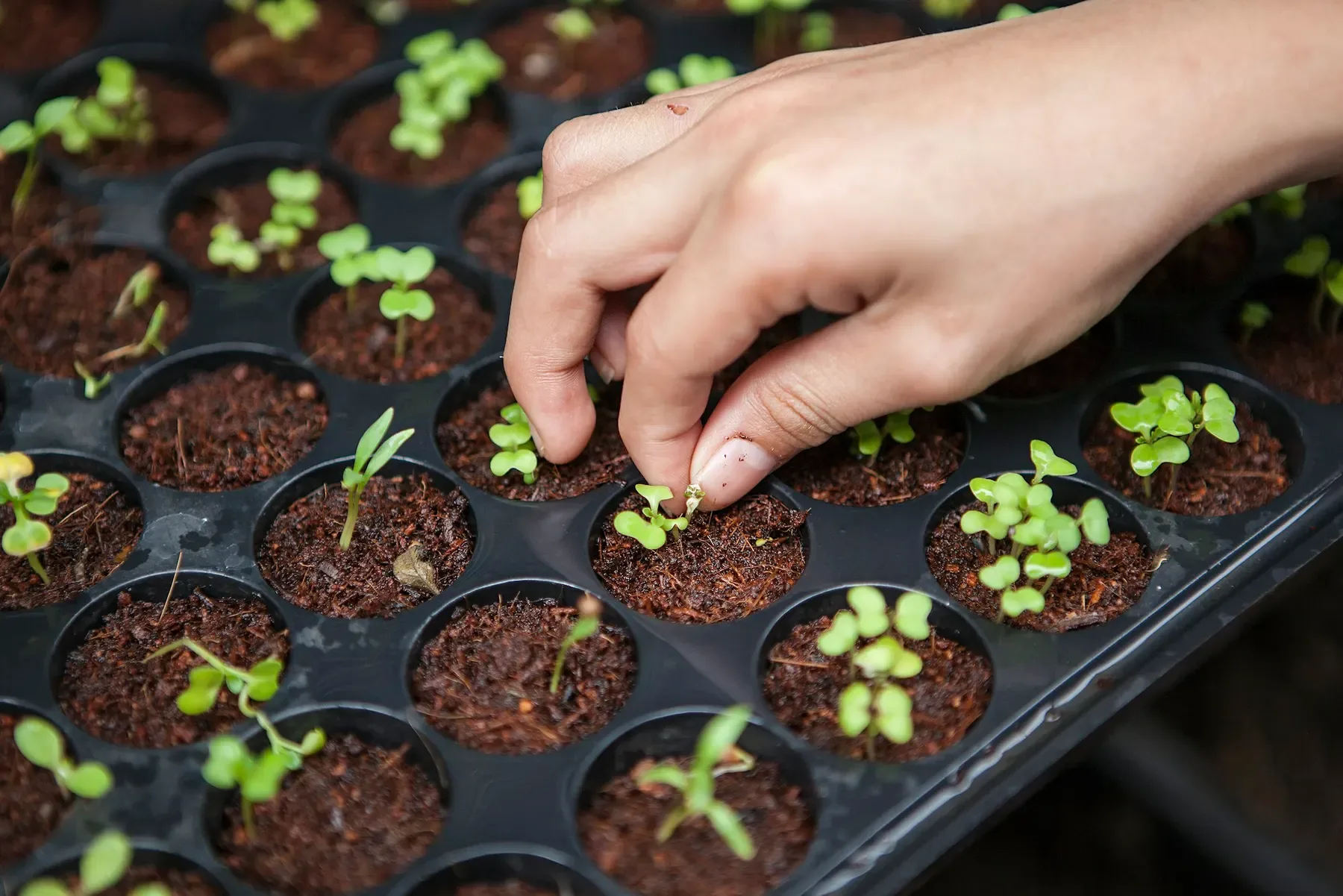
Vertical farming grows crops in stacked layers, usually indoors, where light, temperature, humidity and nutrients can be controlled. Most vertical farms use hydroponics: growing plants without soil, with their roots supplied by a nutrient solution.
How hydroponics works
In a hydroponic system, plants are held in an inert medium or directly in channels, and a water-based nutrient solution delivers what soil would normally provide. Common approaches include the nutrient film technique, deep water culture and drip systems.
Why go vertical?
- Space: stacking layers produces more growing area per square metre of floor.
- Control: indoor conditions reduce exposure to weather and many pests.
- Location: farms can operate close to where food is eaten, including in cities.
The role of technology
Controlled environments depend on monitoring and automation. Sensors track pH, nutrient concentration, temperature and humidity; controllers adjust pumps, lighting and ventilation. That makes vertical farming as much an engineering discipline as an agricultural one.
Trade-offs
Indoor farming uses energy for lighting and climate control, and suits some crops — leafy greens and herbs, for example — better than others. Understanding those trade-offs is part of designing a system that works.